Fibroids
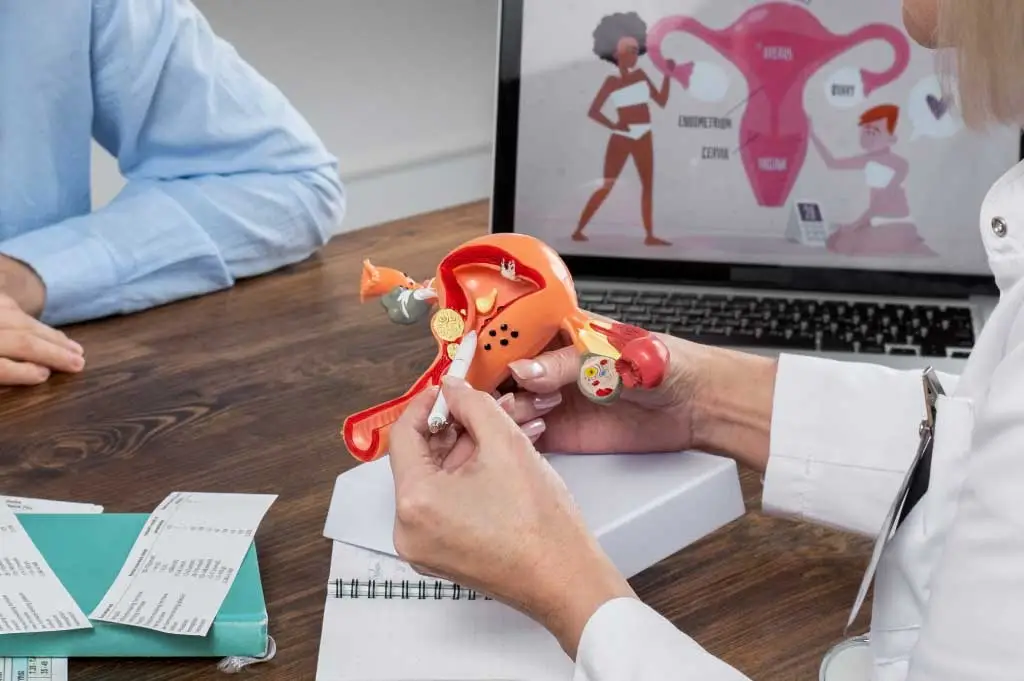
Fibroids are non-cancerous growths that develop in or around the uterus (womb). These muscular tumors are very common, affecting up to 70% of women at some point in their lives. While many women with fibroids experience no symptoms, others may face various challenges that affect their daily life and reproductive health.
What are Fibroids?
Fibroids, also called uterine myomas or leiomyomas, can vary greatly in size. Some are as tiny as a seed, while others can grow as large as a melon. They may develop as a single tumor or in clusters. Most importantly, fibroids are almost always benign (non-cancerous).
Types of Fibroids Based on Location
| Type | Location | Common Effects |
|---|---|---|
| Intramural | Within uterus wall | Heavy periods, pressure |
| Subserosal | Outside uterus | Pelvic pressure |
| Submucosal | Inside uterus cavity | Heavy bleeding |
| Pedunculated | Attached by stem | Pain, pressure |
Common Symptoms of Fibroids
- Heavy menstrual bleeding
- Periods lasting more than a week
- Pelvic pressure or pain
- Frequent urination
- Difficulty emptying bladder
- Constipation
- Backache or leg pains
Severity of Symptoms
| Symptom Level | Signs | Impact on Daily Life |
|---|---|---|
| Mild | Slightly heavy periods | Minimal disruption |
| Moderate | Noticeable bleeding, some pain | Some lifestyle adjustments needed |
| Severe | Heavy bleeding, significant pain | Major impact on quality of life |
Risk Factors for Developing Fibroids
Several factors can increase your chance of developing fibroids:
- Age (most common during reproductive years)
- Family history
- Obesity
- Early onset of periods
- African heritage
- High blood pressure
- Vitamin D deficiency
Treatment Options Available
- Size and location of fibroids
- Severity of symptoms
- Age and future pregnancy plans
- Overall health
Common Treatment Approaches
- Watchful Waiting
- For small fibroids
- Minimal symptoms
- Regular monitoring
- Medications
- Hormonal birth control
- GnRH agonists
- Pain relievers
- Minimally Invasive Procedures
- Uterine artery embolization
- MRI-guided focused ultrasound
- Myomectomy
- Surgery
- Hysterectomy (if needed)
- Laparoscopic options
Natural Ways to Manage Fibroids
Consider these lifestyle changes to help manage fibroid symptoms:
- Maintain healthy weight
- Exercise regularly
- Eat plenty of fruits and vegetables
- Reduce red meat consumption
- Practice stress management
- Get enough vitamin D
When to See a Doctor
Seek medical attention if you experience:
- Heavy bleeding during periods
- Periods lasting more than 7 days
- Pelvic pain that won’t go away
- Difficulty urinating
- Unexplained weight gain
- Sudden severe pain
© 2024 Dr. Rubeena Zainab. All Rights Reserved.